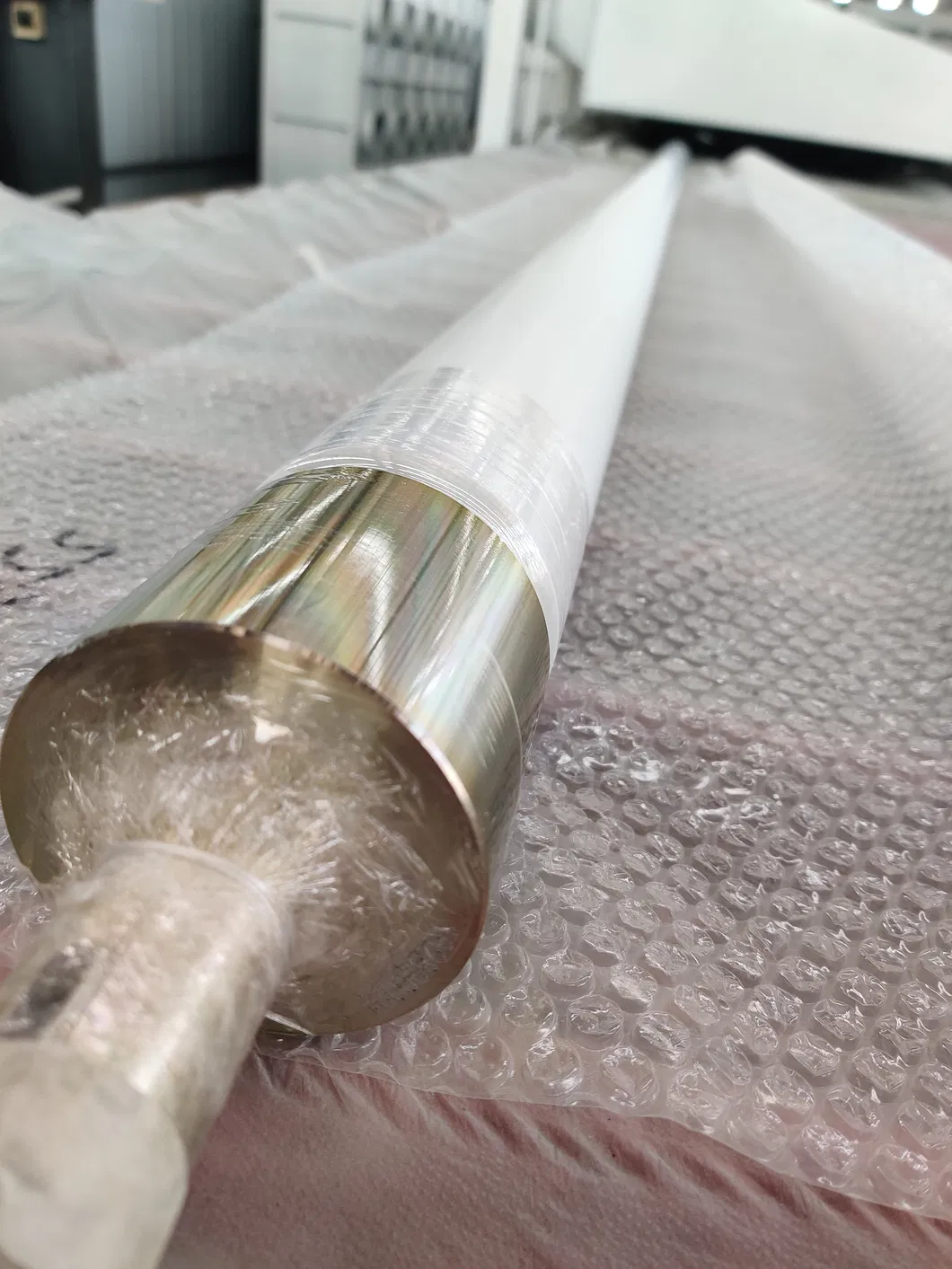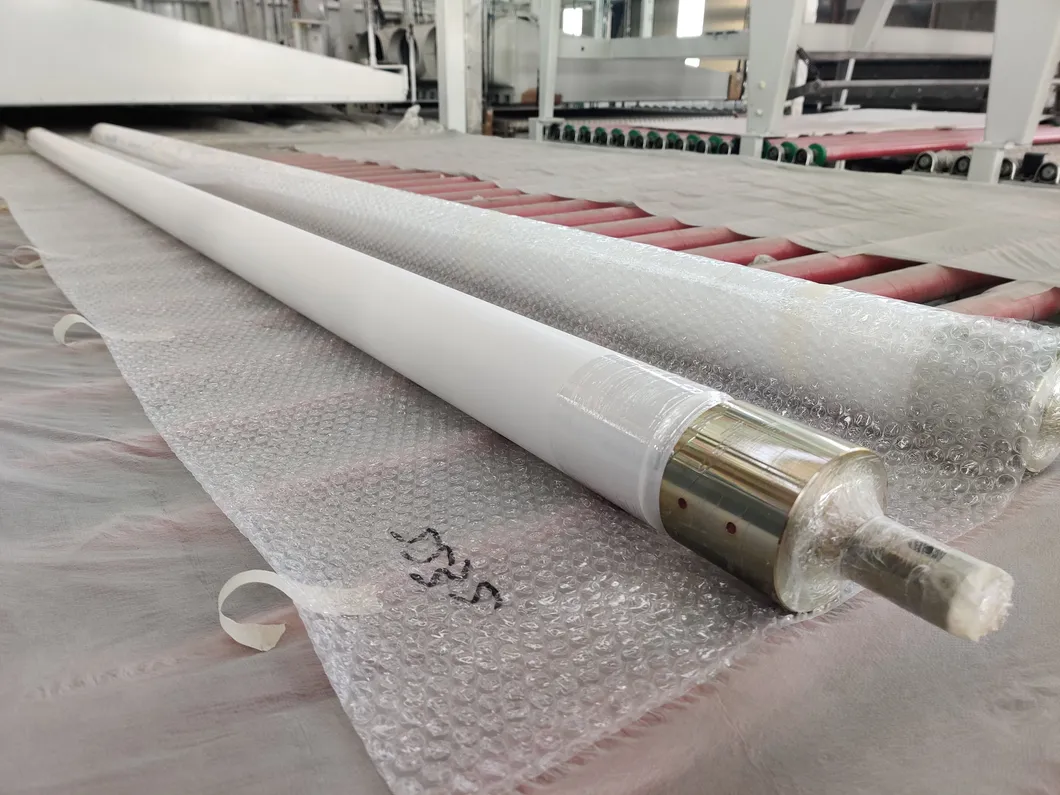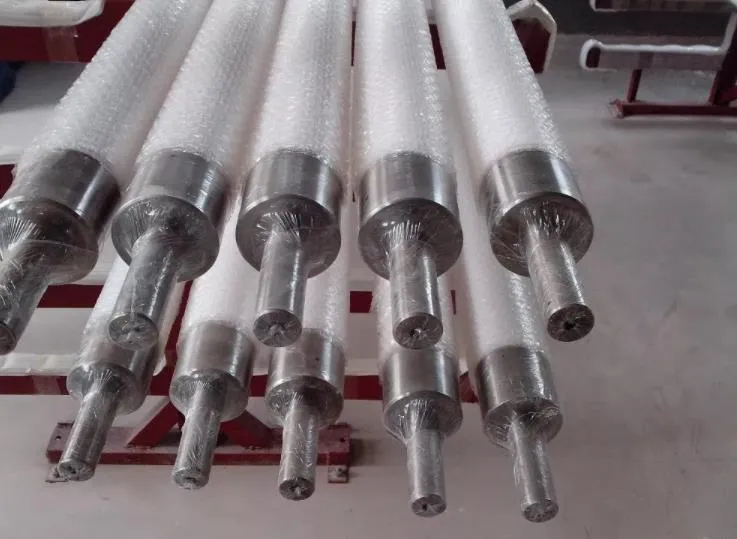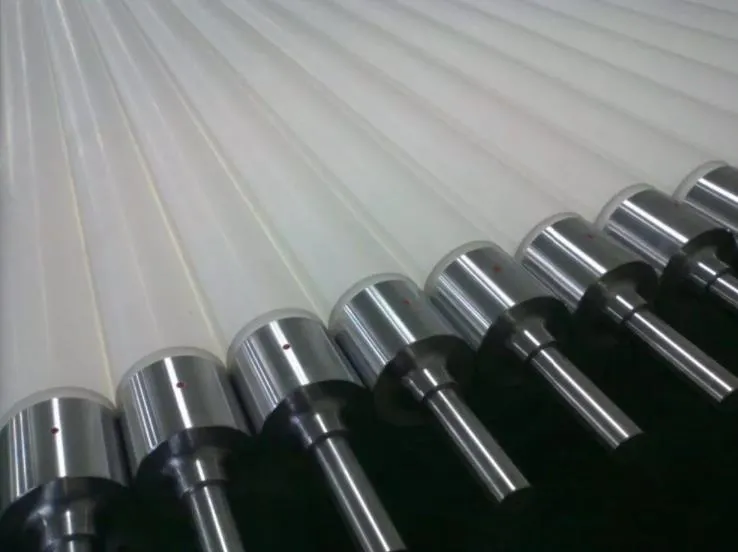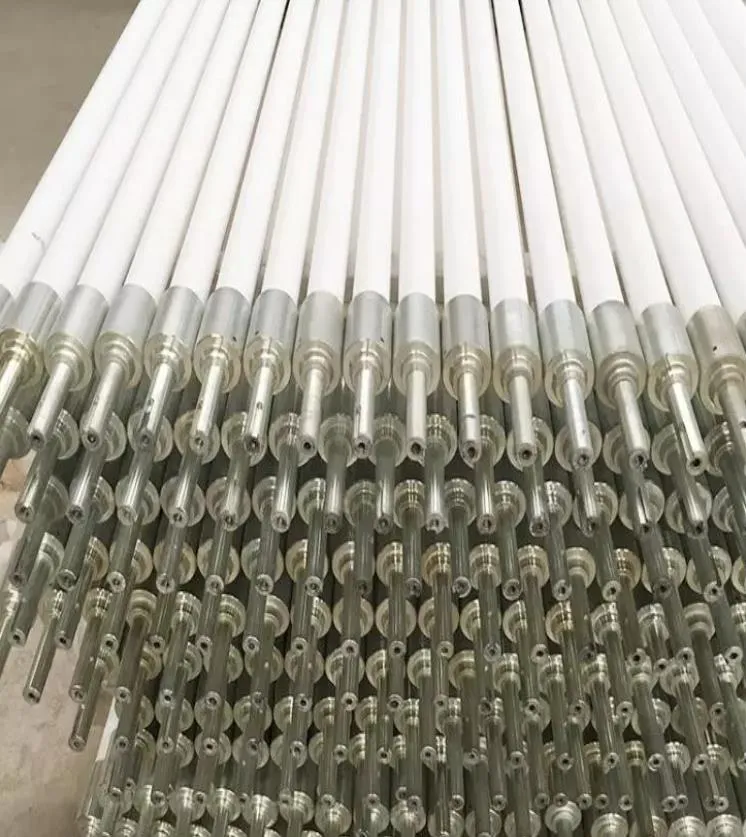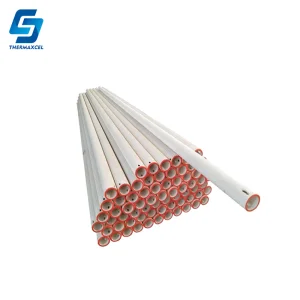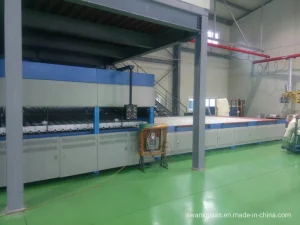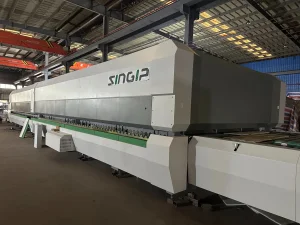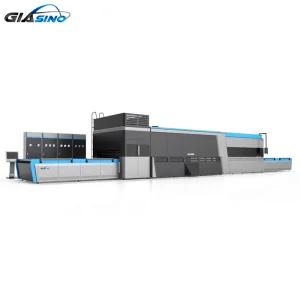
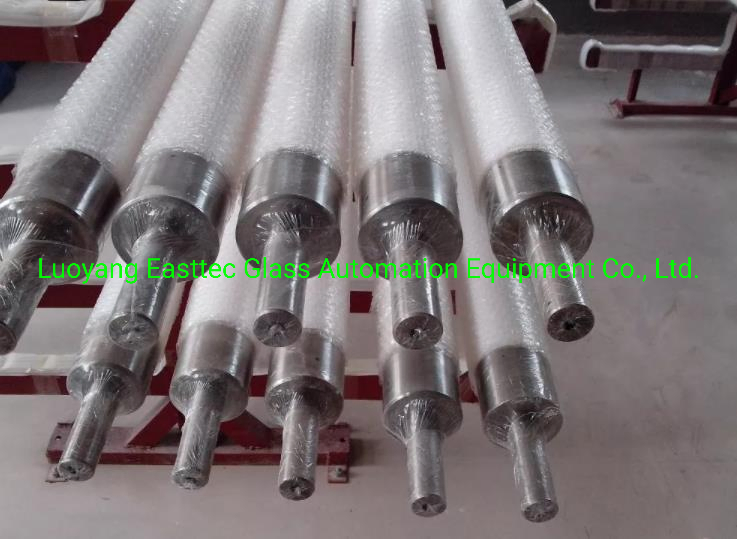
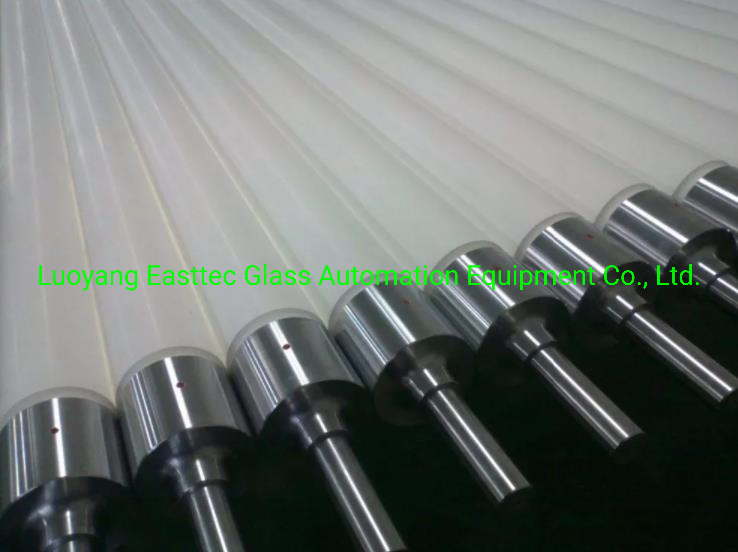
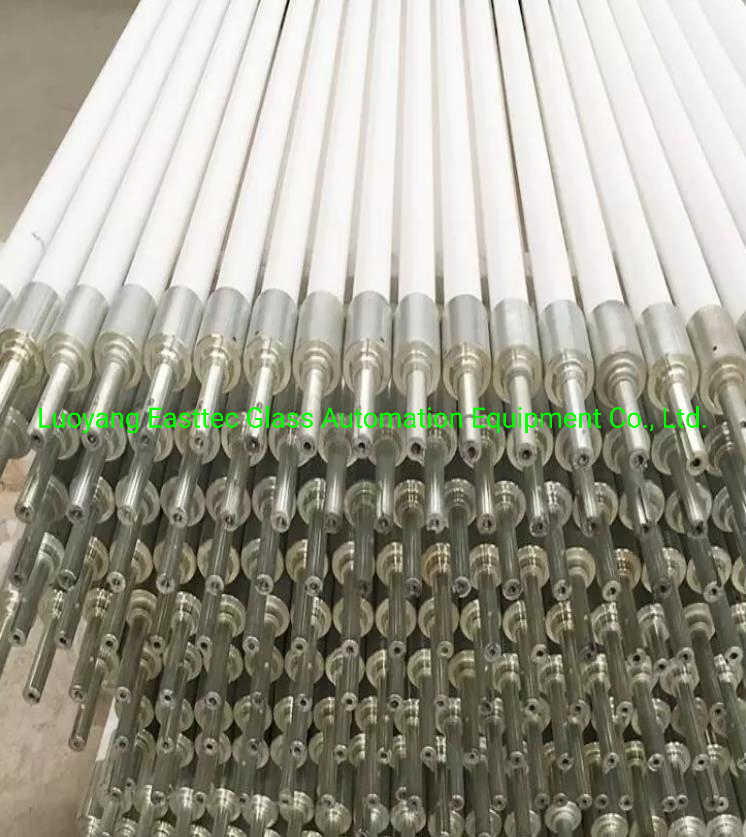
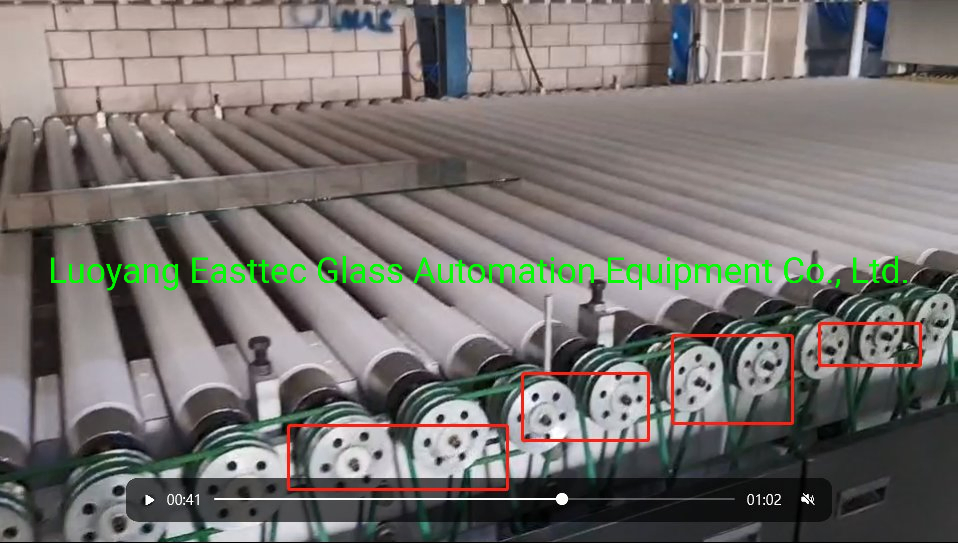
Ceramic Roller for Glass Tempering Furnace&Float Glass Production Line

Customization: Available
Feature: Long Time Materials
Refractoriness (℃): 1770< Refractoriness< 2000

Product Description

ℹ️ Basic Information
Shape
Pipe
Type
Heat-Resistant Material
Material
Alumina Cement
Transport Package
Standard Package
Specification
Customized
Origin
China
HS Code
8475291900
Production Capacity
20000 PCS /Month
📘 Product Description

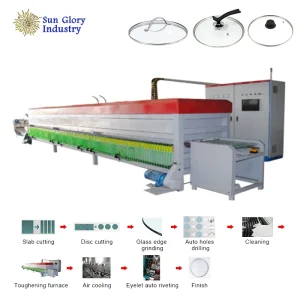
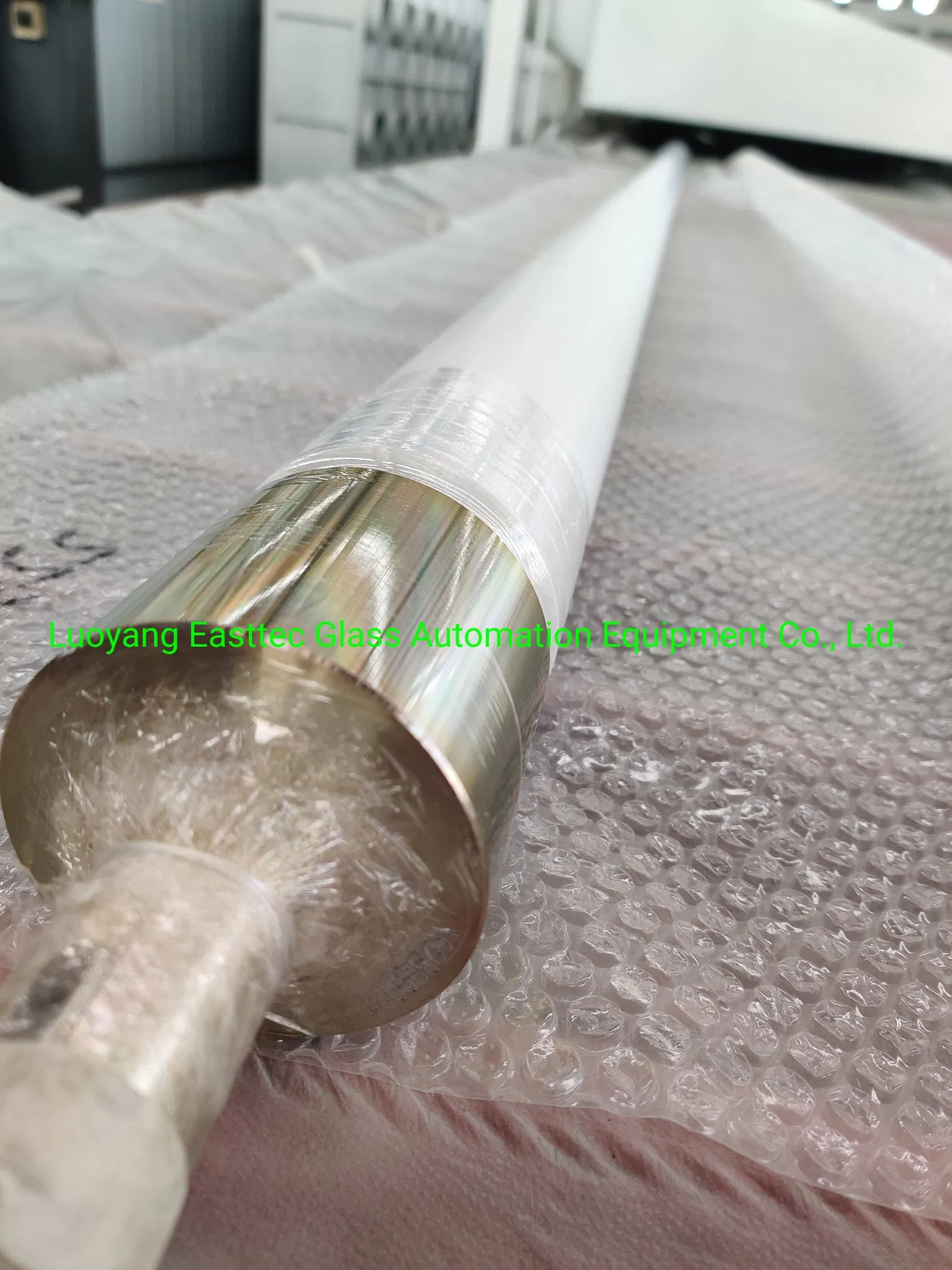
Ceramic rollers for glass tempering furnaces possess unique properties similar to quartz glass, including a small thermal expansion coefficient, excellent thermal stability, and superior electrical insulation. Additionally, they offer high resistance to chemical attack and outstanding thermal conductivity, making them ideal for high-precision glass processing.

Superior Performance: Unlike standard quartz glass, which may become scrap upon crystallization, these ceramic rollers maintain their integrity. Their low thermal conductivity coefficient ensures stability even if surface crystallization occurs during the tempering process.

One of the most significant advantages of these rollers is their temperature-dependent strength. At 1100°C, the intensity increases by approximately 33% compared to room temperature, qualifying them as high-grade engineering ceramic materials.

📊 Technical Parameters
Performance Index Unit Parameter
SiO2 content % >99.5
Cristobalite content % Microscale
Density g/cm3 1.90 - 1.99
Apparent porosity % 7 - 13
Compressive strength MPa >=60
Bending strength MPa >25
Thermal expansion coefficient C⁻¹ 10⁶ (20-1000C) <0.6
Thermal conductivity W/(m.K) (500C) 0.65
📏 Specification Table
OD (mm) Length (mm) OD (mm) Length (mm)
15 - 25 1300 66 - 75 3400
26 - 30 1400 76 - 85 3400
31 - 35 1700 86 - 90 3400
36 - 40 1700 91 - 100 3500
41 - 45 2200 101 - 105 3700
46 - 55 3000 111 - 120 3900
61 - 65 3200 121 - 130 4900
🖼️ Product Gallery
Frequently Asked Questions
1. What are the key advantages of using ceramic rollers in tempering furnaces?
They offer low thermal expansion, excellent thermal stability, high electrical insulation, and superior resistance to chemical corrosion compared to standard materials.
2. How does the strength of the roller change at high temperatures?
The intensity of the ceramic roller increases significantly with temperature; at 1100°C, the strength is approximately 33% higher than at room temperature.
3. What is the SiO2 content of these ceramic rollers?
The rollers are composed of high-purity materials with an SiO2 content exceeding 99.5%.
4. Are the dimensions of the rollers customizable?
Yes, specifications for outer diameter (OD) and length can be customized to fit various glass tempering furnace requirements, with lengths up to 4900mm.
5. Can these rollers handle chemical attacks during the glass production process?
Yes, these rollers are designed with high resistance to chemical attacks, ensuring a long lifespan in demanding industrial environments.
6. What is the typical production capacity for these products?
The current production capacity is approximately 20,000 pieces per month, allowing for large-scale industrial supply.

Related Products